Specialist Handling for Antiques and Artwork
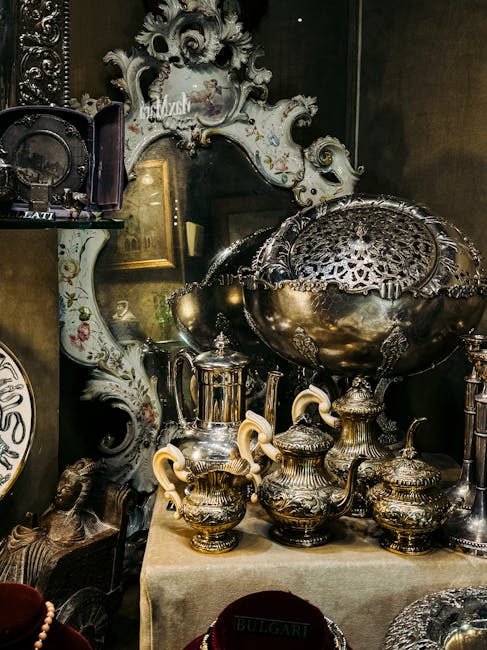
Antiques and artwork are not just "fragile items". They're often sentimental, valuable, awkwardly shaped, and sometimes one-off pieces that cannot be replaced if something goes wrong. That's why specialist handling for antiques and artwork matters so much during a move. A good team will think beyond lifting and loading. They'll look at condition, materials, temperature, vibration, access points, insurance, and the safest route from A to B.
If you've ever stood in a hallway with a marble-topped console table, a gilt mirror, or a canvas that cost more than your first car, you'll know the feeling: one wrong move and the whole day changes. The goal here is simple. Protect the piece, protect the finish, and protect your peace of mind. In this guide, we'll break down how specialist handling works, who needs it, what to watch out for, and how to plan a move that feels calm rather than chaotic.
For homes, galleries, collectors, and businesses alike, the right planning can make the difference between a smooth relocation and a very expensive lesson. And yes, it does need planning. Quite a bit of it, really.
Table of Contents
- Why Specialist Handling for Antiques and Artwork Matters
- How Specialist Handling for Antiques and Artwork Works
- Key Benefits and Practical Advantages
- Who This Is For and When It Makes Sense
- Step-by-Step Guidance
- Expert Tips for Better Results
- Common Mistakes to Avoid
- Tools, Resources and Recommendations
- Law, Compliance, Standards, or Best Practice
- Options, Methods, or Comparison Table
- Case Study or Real-World Example
- Practical Checklist
- Conclusion
- Frequently Asked Questions
Why Specialist Handling for Antiques and Artwork Matters
Specialist handling is about more than "being careful". That sounds obvious, but in real moving situations it gets overlooked fast. Antiques may have weakened joints, old veneers, waxed finishes, hidden repairs, or natural movement in the timber. Artwork may be sensitive to pressure, humidity, direct sunlight, dust, or even a bit of friction from the wrong packing material.
Standard moving methods are usually designed for strength and speed. Specialist handling is designed for control. That difference matters. A modern sofa can cope with a fair amount of handling; a 19th-century sideboard with delicate carved feet cannot. A wrapped canvas might look secure, but if the wrap touches painted surface, or if the frame flexes in transit, the damage can be subtle and costly.
There's also the emotional side. People often underestimate this. A family portrait, inherited cabinet, or original print collection may be irreplaceable in a way that has nothing to do with market value. You don't want to arrive at the new property and discover a corner has been crushed or a varnished surface has marked. Nobody wants that sick feeling in the stomach. Truth be told, it lingers.
In London and across the UK, moves often involve tight stairwells, awkward parking, Victorian terraces, lifts with small openings, and stop-start access. Those realities make specialist handling even more important. The item is rarely the only challenge; the building itself can be a challenge too.
If you're already planning a larger move, it can help to think about the whole process early. Services such as home moves or packing and unpacking services can be useful when artwork and antiques need to be integrated into a wider relocation plan.
How Specialist Handling for Antiques and Artwork Works
Good handling starts before anything is lifted. First comes assessment. A specialist will usually look at dimensions, materials, age, known weak points, frame condition, glazing, base stability, and how the item will move through the property. A long hallway is one thing; a narrow turning on a staircase is another. You can often tell within a minute whether an item needs extra equipment, additional people, or a different route.
Next comes packing strategy. This is where the details matter. Different items need different protection:
- Antique furniture often needs corner protection, soft blankets, breathable wrapping, and careful fastening so drawers, doors, and loose components don't shift.
- Framed artwork may need glass protection, face shielding, and rigid boarding to prevent flex.
- Canvas pieces should be prevented from touching anything that could transfer texture, dust, or pressure.
- Sculptures may require custom cradling so weight is supported evenly rather than at one point.
After packing, loading and vehicle positioning become the next big issue. The artwork or antique should be secured so it cannot slide, tip, rub, or absorb shock. In practical terms, that means planning the load order, keeping space around delicate items, and avoiding the "just squeeze it in" approach. That approach is a nightmare, frankly.
For some moves, a dedicated vehicle makes sense. If you are moving a mix of precious items and household goods, a larger vehicle such as a moving truck or a booked removal truck hire service may offer more controlled loading space than a rushed, overloaded alternative.
There's also the delivery stage. Items should be unloaded in the reverse order of risk: fragile pieces first, ideally into a clear, dry, and prepared space. If the new property is still dusty or undergoing decorating, it may be better to hold back some pieces until the room is ready. That small delay can save a lot of trouble.
Key Benefits and Practical Advantages
The main benefit is obvious: reduced risk of damage. But there's more to it than that. Specialist handling improves the whole moving experience because it brings structure to a part of the move that is normally quite stressful.
Here's what you gain:
- Better protection for fragile finishes such as shellac, gilding, lacquer, oil paint, varnish, and glass.
- Lower risk of movement damage from vibration, shifting, knocks, and pressure points.
- More suitable packing choices for mixed materials and older construction methods.
- Safer access management for stairs, tight corners, and awkward entrances.
- Improved peace of mind when the item has financial, historical, or emotional value.
- Cleaner unpacking because the item is easier to inspect, reassemble, and place correctly.
Another practical advantage is time savings later. A piece that has been packed and positioned properly is far less likely to need repair, cleaning, or restoration. And to be fair, repair work on antiques and artwork can be expensive and sometimes difficult to match perfectly. A tiny scuff on a modern shelf is annoying. A scuff on a Regency table leg? Much less amusing.
For business owners, galleries, and offices, there's also a reputational element. A well-handled move protects the impression you give clients and staff. If you're relocating a reception piece, display cabinet, or framed collection, the visual standard needs to stay high throughout the move. That's where coordinated commercial planning can help, especially alongside commercial moves or office relocation services.
Expert summary: the best antique and artwork handling is usually quiet, methodical, and a little unglamorous. That's a good thing. If the move looks overly dramatic, something may already be going wrong.
Who This Is For and When It Makes Sense
Specialist handling is not only for museums or high-value collections. It makes sense anywhere an item is delicate, historic, awkward, or emotionally important. That includes a lot of ordinary homes, especially older houses filled with inherited furniture, framed art, mirrors, and decorative objects collected over time.
You may need it if you are:
- moving heirloom furniture between family homes
- relocating original paintings, prints, or mixed-media artwork
- transporting antiques to storage before renovation work
- sending gallery stock or curated items to an exhibition
- moving a home office with framed art, awards, or display pieces
- handling estate items that need extra care and documentation
- shifting a one-off statement piece that cannot be easily replaced
It also makes sense when the move involves multiple hazards at once. Think wet weather, dark staircases, tight parking, or a property with no lift. You don't always need a dramatic "specialist only" label; sometimes you just need a more careful plan because the environment is awkward. And let's face it, many British properties were not designed with large mirrors in mind.
If the move is part of a larger household relocation, using a team experienced in house removalists can help keep delicate pieces separated from general household items. That separation is often what prevents the little accidents nobody sees coming.
Step-by-Step Guidance
Here's a practical way to approach specialist handling without overcomplicating it.
- List every valuable or fragile item. Include antiques, paintings, mirrors, sculptures, signed prints, and decorative objects. Don't forget items that are "only" sentimental but irreplaceable.
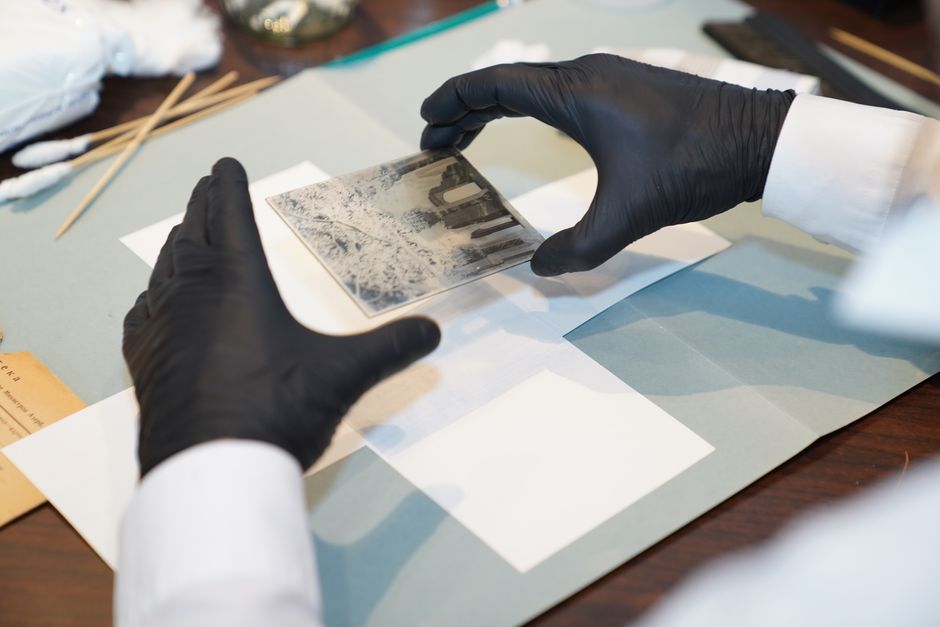
- Record condition before the move. Take clear photos from several angles. Note chips, cracks, loose fittings, wear, and existing marks. It sounds tedious. It is a bit. But it's worth it.
- Measure access routes. Check door widths, stair turns, ceiling heights, lift size, and any tight corners. Many problems are caused by access, not the item itself.
- Match the packing method to the material. Wood, canvas, glass, stone, porcelain, and mixed-media pieces all behave differently.
- Separate fragile items from general load. Do not stack heavy boxes on or around them. It sounds obvious, but people do it.
- Secure the vehicle load. Use load straps, padding, and spacing so nothing shifts in transit.
- Unpack carefully and inspect immediately. Check every piece before the team leaves if possible. Small issues are easier to deal with on the spot.
A useful real-world habit is to label items by room and handling priority. For example: "artwork - upright only", "mirror - glass side protected", or "antique table - legs detached". Those labels reduce confusion when the pace picks up and everyone's trying to stay out of each other's way in a narrow doorway.
If you're also arranging protective packing support, a service such as packing and unpacking services can be especially helpful for the setup stage. The key is not speed. The key is consistency.
Expert Tips for Better Results
Most damage to antiques and artwork happens because of small oversights, not major disasters. A little planning goes a long way.
- Never assume old means sturdy. Some antiques are stronger than they look; others have brittle glue, dried timber, or hidden repairs.
- Keep artwork upright wherever possible. Lying flat can create pressure points, especially for framed pieces and canvases.
- Use breathable materials when appropriate. Not every item should be sealed in plastic. Some surfaces need protection from dust but also need airflow.
- Protect corners and protrusions first. These are the points most likely to snag or chip.
- Do not over-wrap fragile surfaces. More padding is not always better if it adds pressure or abrasion.
- Plan the order of entry at the destination. Put the most delicate items into a ready room first, not last.
- Leave time for a slow, careful pause. A rushed five minutes can undo an hour of good work.
If the item is unusually valuable or part of a collection, it can be wise to ask about insurance and safety arrangements before moving day. That conversation is not glamorous, but it matters. A team that is open about protection, procedure, and responsibility tends to be a safer choice overall. You can review general guidance on insurance and safety alongside the move plan.
One small human truth: good handling often looks boring. That's fine. Boring is underrated when you're moving a painting that has hung in the same place for twenty years.
Common Mistakes to Avoid
Some mistakes show up again and again, and they're avoidable with a bit of discipline.
- Using generic packing materials for everything. Bubble wrap alone is not a complete plan.
- Forgetting to measure frames and furniture. A piece that fits the room may not fit the hallway.
- Leaving labels vague. "Fragile" is not as helpful as "upright only, glass front".
- Storing artwork in damp or hot areas. Garages, lofts, and sheds are often poor holding spaces.
- Moving too many items at once. That's how things get knocked or stacked badly.
- Skipping pre-move photos. Without a record, it can be hard to tell what happened when.
- Choosing the cheapest option without checking experience. A low price can be fine. But if the team does not understand delicate items, it's a false economy.
Another big one: people sometimes believe "extra blankets" solves everything. Not quite. Blankets help, yes, but they need to be used with a proper sequence and secure placement. Otherwise, they just become bulky soft layers that slide around a bit. Not ideal.
When the move includes mixed loads, it can help to separate specialist items from standard household goods before the day arrives. For general items, services like man and van can suit smaller or simpler transport jobs, but antiques and artwork need a more deliberate approach within that wider plan.
Tools, Resources and Recommendations
You do not need a warehouse of specialist equipment to protect valuable pieces, but the right tools make a big difference. The most useful ones tend to be practical rather than fancy.
- Picture cartons and rigid board for framed artwork and mirrors
- Corner protectors for frames, cabinets, tabletops, and shelves
- Moving blankets and padded wraps for wooden surfaces
- Soft packing paper for surface protection where suitable
- Labels and inventory sheets for tracking items clearly
- Load straps and securing equipment for safe transport
- Dust covers and breathable materials for short-term protection
For larger or more complex relocations, vehicle choice matters too. A dedicated vehicle with enough room for stable positioning is often better than a cramped load where items are forced together. If you need a larger transport option, removal truck hire may be the cleaner fit, especially for multiple antiques or a curated artwork group. For smaller but still careful local moves, a man with van arrangement can work if the items are properly packed and the team understands the handling requirements.
Household and business customers often also appreciate a sensible quote process. Clear expectations about labour, access, and handling reduce stress later. If you're still at the planning stage, a simple look at pricing and quotes can help you compare options without guessing.
For businesses that care about disposal and responsible handling of surplus items during a wider move, it may also be worth considering recycling and sustainability where relevant. Not every antique or artwork job involves disposal, of course, but broader relocation planning often does.
Law, Compliance, Standards, or Best Practice
With antiques and artwork, compliance is usually less about one single rule and more about careful practice, proper responsibility, and sensible documentation. In the UK, that means you should expect transparent handling procedures, suitable insurance, and clear communication about any limits or exclusions.
Best practice normally includes:
- documenting condition before and after handling
- using appropriate packing methods for the material involved
- confirming whether access restrictions require more time or additional labour
- checking that the mover's insurance arrangements are suitable for the item type
- keeping records of any special instructions from the owner
If a piece is exceptionally valuable, historically significant, or structurally fragile, you may also want a conservator, valuer, or specialist packer involved before transit. That is not overkill in every case. Sometimes it's just common sense. The more unusual the item, the more useful a second set of expert eyes can be.
It's also sensible to understand the mover's own policies and responsibilities. A reputable provider should be able to explain its process clearly, including basic safeguards and complaint handling. Useful pages to review include terms and conditions and complaints procedure. If you want to know more about the business itself, about us can also help build confidence before booking.
In some cases, the safest decision is also the simplest one: slow down, document everything, and don't force an item through an access point that is clearly too tight. The staircase will not suddenly become wider, unfortunately.
Options, Methods, or Comparison Table
Different items call for different handling methods. Here's a plain-English comparison that may help you decide what's appropriate.
| Item type | Typical handling method | Main risk | Best fit |
|---|---|---|---|
| Framed painting or print | Upright packing, rigid board, corner protection | Frame damage, glass breakage, surface rub | Delicate domestic or gallery transport |
| Antique wooden furniture | Blanket wrap, loose-part removal, soft strapping | Joint stress, veneer chips, leg damage | Homes, estates, and refurbishments |
| Mirror or glazed artwork | Glass protection, board shielding, upright loading | Cracking, shattering, edge impact | Moves with awkward access |
| Sculpture or ornament | Custom support, careful weight distribution | Pressure points, tipping, surface abrasion | Specialist or high-value handling |
| Mixed collection | Item-by-item inventory and separated loading plan | Cross-contact and confusion during unloading | Collective transport or exhibition moves |
So, which method is best? It depends on the item, the route, and the condition of the piece. That's the honest answer. There isn't one universal packing method that magically suits every antique or artwork, and anyone who says there is probably hasn't had to lift a marble-topped cabinet in a Victorian terrace at 7:30 in the morning.
For many readers, the key decision is whether the move is simple enough for a smaller general service or whether it needs a more structured, fully planned approach. The answer often becomes clear once you've measured access and assessed fragility honestly.
Case Study or Real-World Example
Picture a small family move from a period flat into a house with a narrow staircase. Among the usual boxes and lamps were three important items: an antique writing desk, a framed oil painting, and a large mirror inherited from a grandparent. None of them were museum pieces, but all of them were high-value in their own way.
Before moving day, the items were photographed, labels were added, and the route was checked. The mirror could not be carried flat on the stairs, so the team planned an upright move with extra board protection. The writing desk had removable drawers and a detachable top section, which reduced the load and made the corners less vulnerable. The painting was packed separately so nothing else could press against the frame.
The helpful part was not the equipment alone. It was the order of operations. The delicate items were loaded first, secured properly, and unloaded into a prepared room before the general boxes arrived. No one was rushing around the hallway. No one was trying to balance a lamp on one shoulder while turning a mirror through a corner. Calm, then done.
That kind of move shows why specialist handling works best when the whole day is planned, not improvised. Even a relatively small relocation can benefit from the same discipline used for larger jobs, especially if you are working alongside a wider household move or a managed transport service.
Practical Checklist
Use this as a quick pre-move reference.
- Photograph each antique or artwork item clearly.
- Note any chips, cracks, scratches, or loose fittings.
- Measure doorways, stairs, and lift access.
- Remove loose components where appropriate and safe to do so.
- Choose packing materials suited to the item's finish and fragility.
- Label items with handling instructions.
- Keep valuables separate from general boxes.
- Confirm vehicle space and securing method in advance.
- Prepare the destination room before delivery.
- Inspect each piece as soon as it is unloaded.
Quick reminder: if an item feels too awkward to carry safely, it probably is. That is not a weakness; it is useful information.
Conclusion
Specialist handling for antiques and artwork is really about respect: respect for the object, for the history behind it, and for the practical realities of moving it safely. A careful plan protects finishes, reduces risk, and makes the whole relocation feel far less stressful. Whether you're moving one framed painting or an entire room of inherited furniture, the same principles apply: assess properly, pack correctly, load securely, and never rush the final steps.
For many people, the best decision is simply to treat these pieces differently from the rest of the move. That small shift in mindset can save time, money, and a lot of worry. And in a world full of unpredictable moving days, that's a very good thing.
Get a free quote today and see how much you can save.
When the pieces matter, careful handling matters too. Take it one step at a time, and you'll usually end up with a much calmer move than you expected.
Frequently Asked Questions
What is specialist handling for antiques and artwork?
It is a careful moving process designed for fragile, valuable, historic, or sentimental items. It usually includes assessment, protective packing, secure loading, controlled transport, and careful placement at the destination.
Do antiques and artwork need different packing methods?
Yes, usually they do. Wood, glass, canvas, porcelain, and mixed-media pieces each have different weak points. A one-size-fits-all method can create avoidable damage.
Can I pack artwork in normal bubble wrap?
Sometimes bubble wrap is part of the process, but not by itself. The surface, frame, and medium matter. For many framed pieces, rigid board and upright protection are just as important as cushioning.
How do I move a large mirror safely?
Large mirrors are best handled upright with protected edges, good board support, and a clear route through the property. If the access is tight, planning becomes even more important.
Is it worth using specialist handling for less valuable antiques?
Often, yes. Value is not only about resale price. Family pieces, sentimental furniture, and older items with fragile joints can still be worth specialist care.
What should I do before moving day?
Take photos, make a list, measure access points, and tell the mover about any fragile or awkward items in advance. A short preparation session now can prevent a long headache later.
Does specialist handling cost more?
It can, because it may involve extra time, materials, or labour. But that extra cost is often more sensible than repairing or replacing damaged items later.
Can artwork be stored with regular household items?
It can, but it is not ideal. Artwork should be kept away from damp, heat, heavy pressure, and anything that might rub or crush the surface.
What if my antique furniture has loose parts?
Loose parts should usually be secured, labelled, or removed if safe to do so. Drawers, shelves, and detachable components often need separate handling so they do not shift in transit.
How do I know if a mover is suitable for antiques and artwork?
Ask about experience, packing methods, insurance and safety, access planning, and how condition is recorded. Clear answers are a good sign. Vague answers are not.
Should I unpack delicate items first?
Yes, usually. Delicate pieces are best inspected and placed in a prepared room before the general unpacking begins. That keeps the most vulnerable items away from the busiest part of the day.
What is the biggest mistake people make with artwork moves?
Rushing. Most problems happen because people assume a piece will be "fine for a minute" or "just squeeze through here". That tiny shortcut is often where the damage starts.
Can specialist handling help with office or commercial relocations?
Absolutely. Many offices have framed art, display pieces, awards, or decorative items that need the same careful planning as home items. Commercial moves benefit from the same attention to detail.
What is the best next step if I have one very valuable item?
Start with condition photos and a clear description of the item, then speak to a mover about handling requirements before the moving date is fixed. If the item is truly exceptional, ask whether extra specialist packing would be sensible.